Treasuries
Yield measured against the debt actually paying it — not the sticker price.

Quant + AI risk intelligence for onchain RWA
The real-world assets are already moving onchain — tokenized treasuries, private credit, equities on Robinhood. TrigonFi is the quant + AI risk layer on top of them. We don't issue them. We measure them.

What TrigonFi is
Issuers put assets onchain. TrigonFi tells you whether those assets are safe to hold — where the yield comes from, how deep the liquidity actually is, and whether the price is a clean fact or a moving range.
TrigonFi reads the assets already listed on Robinhood Chain — the treasuries, private credit, and equities that have crossed the bridge. The work is not creating more assets. It's making the ones already there legible.
The assets we read
Three asset classes already moving onchain. TrigonFi doesn't sell them — it scores their risk.
Yield measured against the debt actually paying it — not the sticker price.
Issuer risk traced through the links a ticker view skips.
A confidence range around every price, not a single quoted number.
What TrigonFi reads
Two positions can look unrelated until you trace where the yield comes from.
Getting out of a real position is where the liquidity shows.
Price is not always a clean fact.
A chart can stay flat while something important changes underneath.
The premise
Price is not always a clean fact.
A chart can stay flat while something important changes underneath.
We are building the risk layer for the assets already moving onchain.
Trace where the yield comes from.
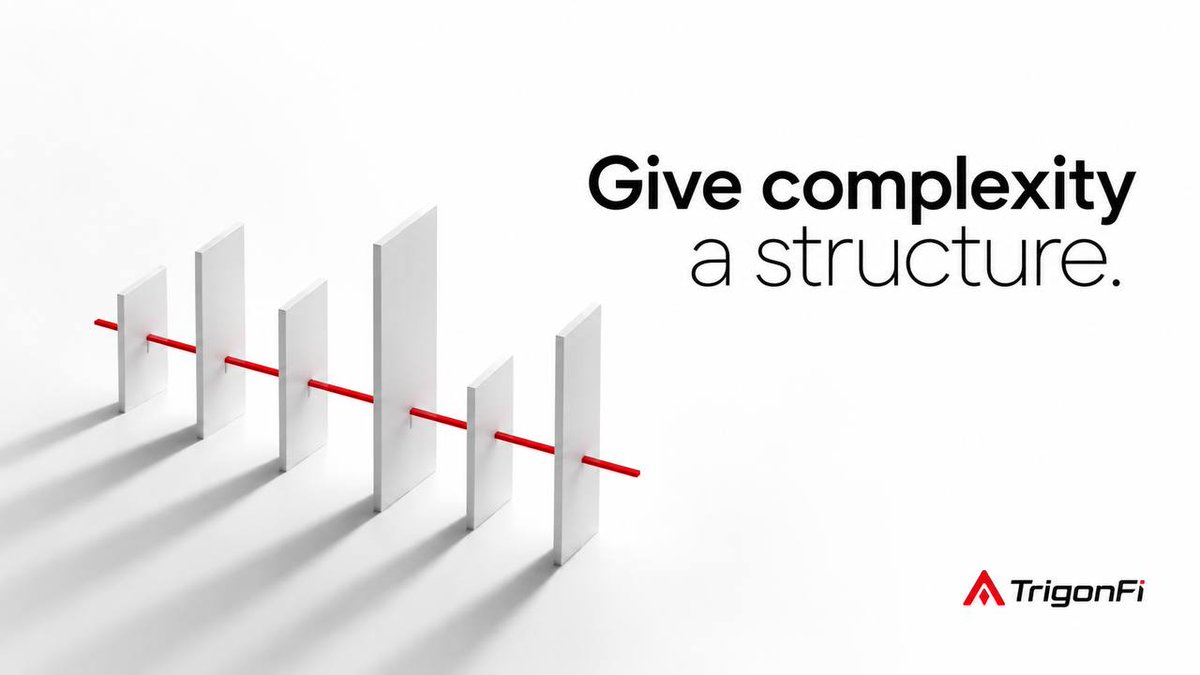
Two RWA positions can look unrelated until you trace where the yield comes from. That is what Portfolio X does — it follows the links a ticker view skips.
Most views show a price and a name. Portfolio X shows the chain behind them: which asset, which issuer, which yield — so a position finally has a shape, and you can see the risk it actually carries.
“It follows the links a ticker view skips.”
An edge, carefully measured.
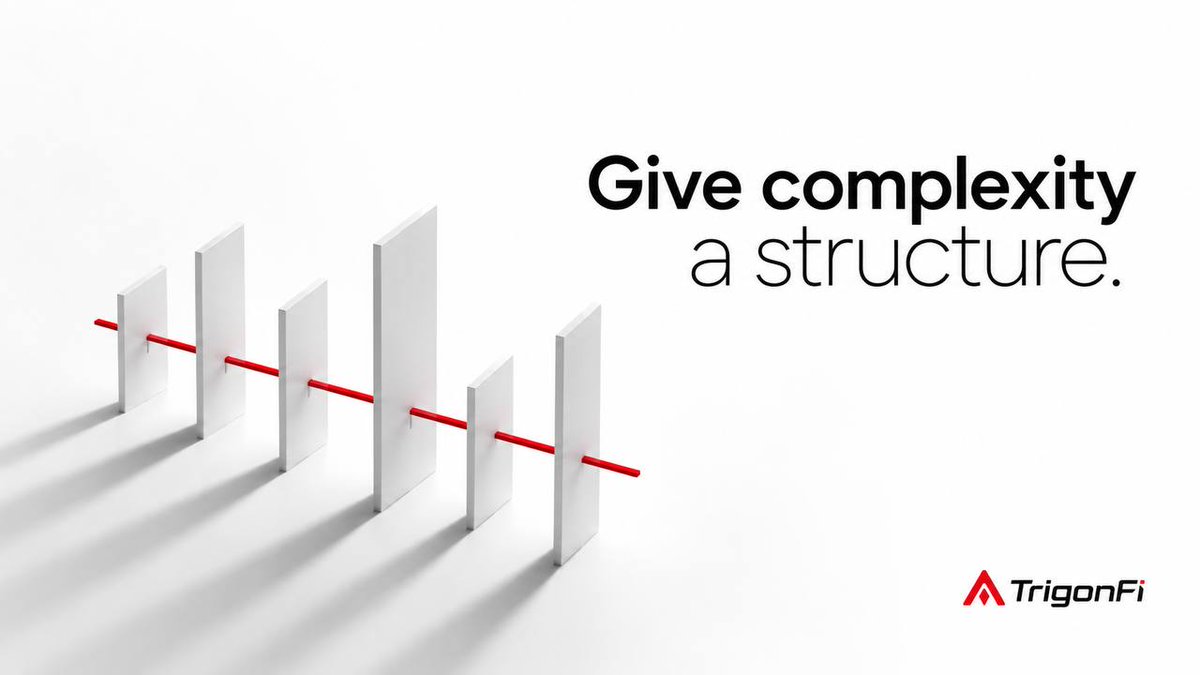
Getting a quote for a few hundred dollars is easy. Getting out of a real position is where people usually find out what the liquidity was like.
TrigonFi checks depth and slippage against the amount actually held — so the number you see is the number you could actually trade, not the number a thin book pretends to offer.
“TrigonFi checks depth and slippage against the amount held.”
Price is not always a clean fact.
Pyth gives a confidence range around the number too. When that range starts spreading, TrigonFi treats that as part of the position.
A single price hides the uncertainty. TrigonFi keeps the range visible, so an RWA position is measured by its risk, not just its quote.
“When that range starts spreading, TrigonFi treats that as part of the position.”
Market price, and what the issuer is doing with yield.
An RWA has two clocks running. One is the market price. The other is what the issuer is doing with yield.
A chart can stay flat while something important changes underneath — a treasury can keep paying, a credit can silently slip. TrigonFi reads both clocks, so the flat line never hides the moving part.
“TrigonFi reads both.”